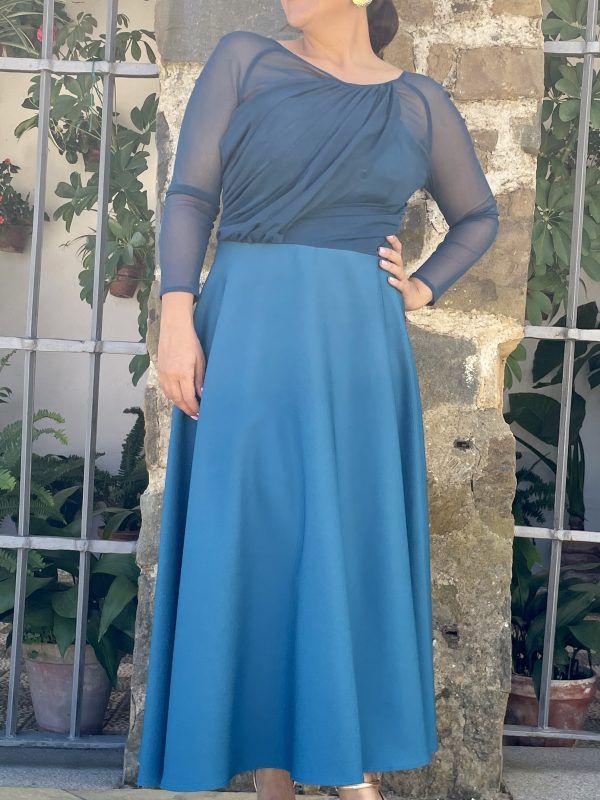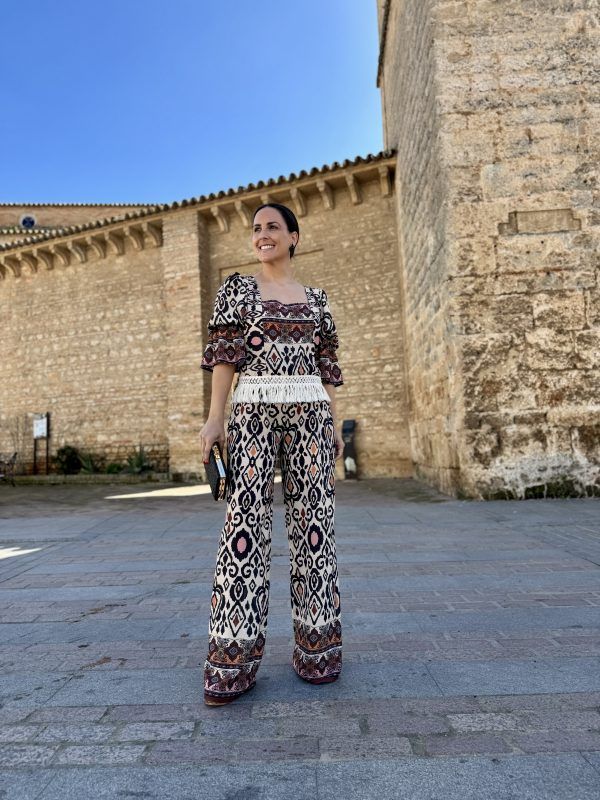
- Distinctive artistry and handcrafted pieces await with https://thespinking.co.uk for lasting impressions
- The Philosophy of Intentional Creation
- Materiality and Sourcing
- The Value of Slow Production Cycles
- Building a Curated Environment
- Navigating the World of Artisanal Goods
- Steps to Identifying True Quality
- The Impact of Craft on Mental Well-being
- The Legacy of Handcrafted Objects
- The Evolution of Modern Decorative Arts
- Practical Applications of Artistry in Daily Life
Distinctive artistry and handcrafted pieces await with https://thespinking.co.uk for lasting impressions
Finding a source of truly unique, handcrafted goods often feels like searching for a needle in a haystack within the massive landscape of modern e-commerce. Many online platforms prioritize mass production and rapid shipping over the soul and character that only manual craftsmanship can provide to a consumer. For those who value the subtle imperfections and the deliberate intention behind every single stroke or stitch, https://thespinking.co.uk offers a sanctuary of aesthetic excellence and creative integrity. This platform serves as a bridge between the desire for high-quality artistry and the practical accessibility of the digital age, ensuring that collectors and casual enthusiasts alike can find something that resonates on a personal level.
The modern collector does not merely seek an object to fill a space; they seek a narrative that speaks to their specific tastes and values. When an item is made with care, it carries a weight of history and a sense of presence that manufactured goods simply cannot replicate. Whether it is the texture of the material or the specific way light hits a finished surface, these details define the experience of ownership. Exploring a curated selection of such works allows individuals to build a home or a collection that reflects a deep appreciation for the slower, more thoughtful processes of creation that define true excellence in the decorative and functional arts.
The Philosophy of Intentional Creation
Intentionality in design means that every decision made by the creator serves a purpose, whether that purpose is structural, aesthetic, or emotional. In an era of disposable consumerism, choosing items that are built to last and designed with a clear vision is a radical act of preservation. This approach to making ensures that the objects we surround ourselves with are not just temporary occupants of our shelves, but enduring companions that age gracefully alongside us. The focus remains on the integrity of the raw materials and the skill required to transform them into something meaningful.
When looking at the nuances of specialized craftsmanship, one begins to notice how much effort goes into the preparation stages. It is not just about the final assembly, but about selecting the right grain of wood, the perfect weight of metal, or the specific tension of a thread. These foundational choices dictate the longevity and the tactile quality of the finished product. By prioritizing these elements, creators can ensure that their work stands up to the test of time and frequent use, maintaining its beauty even as it develops a unique patina through years of interaction.
Materiality and Sourcing
The journey of a handcrafted piece begins long before the artisan picks up their tools. It starts with the ethical and careful sourcing of materials that meet rigorous standards of quality and sustainability. Using materials that are naturally resilient and aesthetically pleasing allows the inherent beauty of the earth to shine through the finished work. This connection to the source provides a sense of grounding, making the object feel like a piece of the natural world brought indoors. Such a connection is vital for those who want their surroundings to feel authentic and connected to something larger than themselves.
Furthermore, the way materials react to their environment is a key consideration for any serious maker. A well-chosen material will not merely degrade; it will evolve. Metals might deepen in color, leathers might soften and darken, and certain woods might change hue. This evolution is not a flaw but a feature of high-quality organic substances. It creates a living relationship between the owner and the object, where the history of the item is written into its very surface through every touch and every passing season.
| Material Category | Primary Characteristic | Longevity Factor |
|---|---|---|
| Organic Fibers | Breathable and tactile | High with proper care |
| Metals and Alloys | Structural and reflective | Exceptional durability |
| Natural Woods | Warm and varied grain | Decades of character |
| Ceramic and Clay | Malleable and permanent | Very high stability |
By understanding these fundamental properties, a collector can make more informed decisions about what they bring into their personal space. The interplay between different textures and weights creates a sensory experience that goes far beyond simple visual appeal. It is about the weight of a vessel in the hand or the smoothness of a polished edge that confirms the quality of the work without a single word being spoken.
The Value of Slow Production Cycles
In a world obsessed with instant gratification, the concept of slow production might seem counterintuitive to many. However, the benefits of a measured pace are undeniable when the goal is perfection. Slow production allows for a level of scrutiny that is impossible in a high-speed factory setting. Each step is given the time it requires to reach its full potential, allowing the maker to correct minor deviations before they become permanent errors. This patience is what separates a mere commodity from a piece of art.
This methodical approach also fosters a deeper connection between the creator and the medium. When a maker is not rushed by quotas or deadlines, they can listen to the material, responding to its unique quirks and limitations. This dialogue results in works that feel organic and spontaneous rather than rigid and mechanical. It is this very spontaneity that gives handcrafted items their soul, making them feel alive and distinctive within a room.
Building a Curated Environment
Creating a home that feels intentional requires a careful curation of objects that speak a consistent language of quality. Instead of filling rooms with a multitude of low-quality items, one might choose to invest in a few significant pieces that serve as focal points. This strategy prevents visual clutter and allows the true character of each item to be appreciated. A single, beautifully made lamp or a hand-thrown vase can define the atmosphere of an entire room more effectively than dozens of mass-produced decorations.
- Focus on quality over quantity to reduce clutter.
- Select pieces that offer a sense of historical continuity.
- Prioritize items with unique textures and tactile appeal.
- Look for objects that serve both functional and aesthetic roles.
As one begins to assemble such a collection, the process becomes a form of self-expression. The choices made reflect an individual's journey, their travels, and their evolving tastes. Over time, the collection becomes a curated autobiography of sorts, told through the objects that have been chosen to inhabit one's most private and cherished spaces.
Navigating the World of Artisanal Goods
For many, the initial step into the world of high-end artisanal products can be overwhelming due to the sheer variety of styles and techniques available. It is important to approach this exploration with an open mind and a willingness to learn about the different traditions that shape modern making. Understanding the difference between various styles of pottery, weaving, or metalwork can significantly enhance the enjoyment of the collection process. It turns shopping into an educational endeavor rather than a simple transaction.
Digital platforms have made this discovery process much easier, allowing enthusiasts to connect with makers from across the globe. Websites such as https://thespinking.co.uk provide a streamlined way to encounter these diverse talents without having to travel to remote workshops. This accessibility ensures that even the most niche and specialized techniques can find an audience, sustaining the very crafts that might otherwise fade into obscurity in a purely industrial economy.
Steps to Identifying True Quality
Identifying authenticity requires a keen eye and a bit of research. It is helpful to look beyond the surface-level aesthetics and investigate the methods used to create the item. High-quality work often leaves subtle clues about its origin, such as the consistency of a hand-stitched seam or the way a glaze has been applied. Learning to recognize these markers of skill will empower the buyer to distinguish between true craftsmanship and clever imitations that attempt to mimic a handmade look.
- Research the background and philosophy of the maker.
- Examine high-resolution images to look for fine details.
- Ask questions about the materials and production methods.
- Read reviews from other collectors who value longevity.
Once a buyer develops this discerning eye, the entire experience of acquiring new pieces changes. It becomes less about the impulse of the moment and more about the satisfaction of finding a piece that meets a high standard of excellence. This disciplined approach ensures that every addition to a collection is something that will be cherished for many years to come.
The Impact of Craft on Mental Well-being
There is a profound psychological connection between the objects we surround ourselves with and our internal state of being. Living in an environment filled with objects that possess beauty, history, and intention can foster a sense of calm and stability. In a chaotic world, the presence of something solid, well-made, and aesthetically harmonious provides a visual and tactile anchor. This helps to create a sanctuary where one can retreat from the stresses of daily life and find moments of quiet reflection.
Moreover, the appreciation of craft encourages a state of mindfulness. Taking the time to notice the intricate patterns in a textile or the way light plays across a ceramic surface forces a pause in our often frantic lives. This sensory engagement is a form of grounding that can reduce anxiety and increase our appreciation for the present moment. By surrounding ourselves with things that demand our attention through their sheer quality, we are subtly reminded to slow down and appreciate the finer details of our own existence.
The Legacy of Handcrafted Objects
One of the most beautiful aspects of investing in well-made goods is the potential for them to become heirlooms. An object that is crafted with exceptional skill and made from durable materials has the capacity to outlive its original owner. It becomes a vessel for memory, passed down through generations, carrying with it the stories of those who once held it. This creates a sense of continuity and connection between the past, the present, and the future, which is a powerful aspect of the human experience.
When we choose to support artisans, we are contributing to the preservation of these legacies. We are ensuring that the knowledge and techniques required to create such items are passed on to new generations of makers. This cycle of creation and appreciation is what keeps culture alive and evolving. Every purchase of a unique, handcrafted piece is an investment in the survival of human creativity and the continued existence of beautiful, meaningful things in our world.
The Evolution of Modern Decorative Arts
The landscape of decorative arts is constantly shifting as new technologies and traditional methods find ways to coexist. We are seeing a fascinating era where digital design tools might be used to conceptualize a shape, but the actual execution remains firmly in the hands of a skilled human worker. This hybrid approach allows for levels of complexity that were previously unimaginable, while still retaining the warmth and soul of manual production. It is a period of immense creativity and technical innovation.
As more people recognize the value of uniqueness, the demand for specialized pieces continues to grow. This is driving a renaissance in many traditional crafts, as younger generations of makers find new ways to interpret old techniques for a modern audience. The result is a vibrant and diverse marketplace where the boundaries between fine art and functional object are increasingly blurred. This evolution ensures that the world of craftsmanship remains relevant and exciting for collectors of all ages.
Finding these treasures often requires looking toward specialized curators who understand the nuances of this evolving field. For those seeking to elevate their living spaces with items that possess true character, visiting https://thespinking.co.uk can provide the necessary inspiration and access to exceptional work. The ability to discover something that feels as though it was made specifically for you is one of the greatest joys of being a collector in the modern age.
Practical Applications of Artistry in Daily Life
Integrating high-quality artisanal pieces into daily life does not require a complete overhaul of one's home. It can start with small, functional items that you interact with every single day. A hand-carved spoon for morning coffee, a heavy ceramic mug for tea, or a linen napkin for dinner can transform mundane rituals into moments of genuine pleasure. These small touches act as constant reminders of the beauty and intention that can be found in the simplest of actions.
As these small elements begin to accumulate, they form the foundation of a more intentional way of living. You begin to notice how the quality of your tools and vessels affects your mood and your perception of your surroundings. This shift in perspective often leads to a broader desire for quality in other areas of life, creating a holistic approach to how one consumes and lives. It is a journey from the external world of accumulation to an internal world of meaningful curation.